
Categories
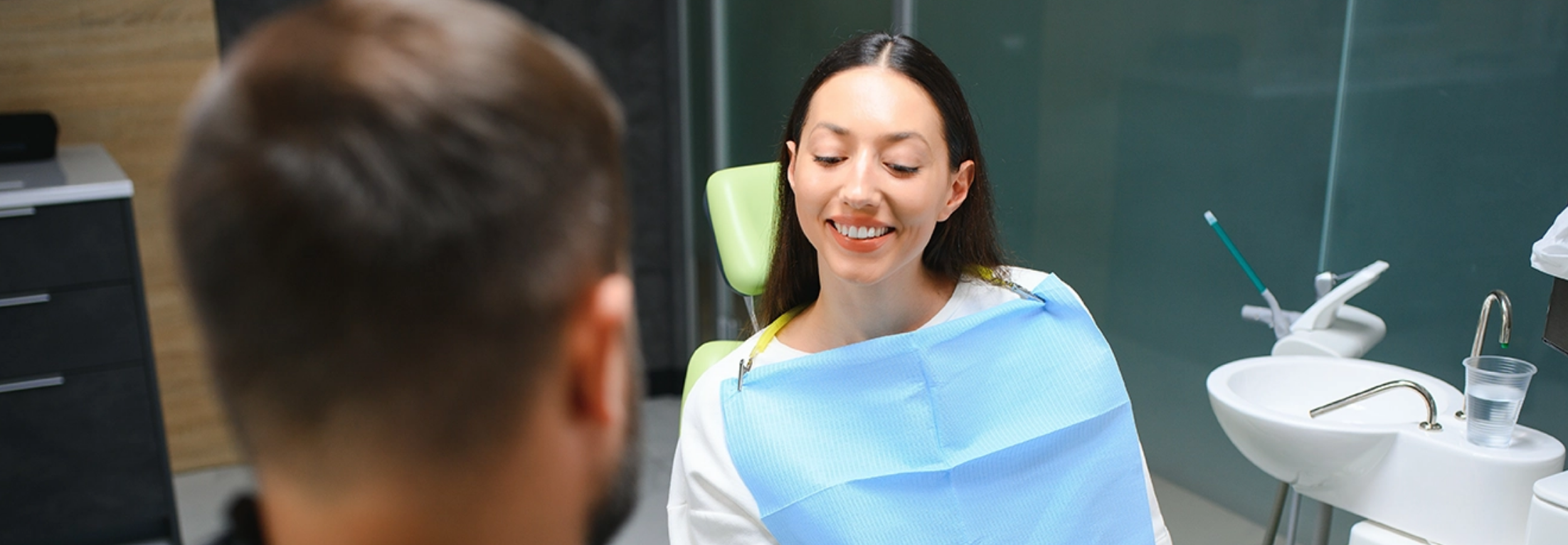

It’s no secret that going to the dentist makes people anxious. We have a checkbox on our intake forms that asks if folks experience anxiety at the dentist, and unsurprisingly it’s one of the most commonly checked boxes.
Where does anxiety at the dentist come from?
You might think it’s because of the obvious discomfort of getting dental work done, and while that’s a factor, people do unpleasant things all the time without anxiety about doing those things. Most dental anxiety is actually rooted in a previous traumatic experience at the dentist. Sometimes this experience comes from receiving dental care as a kid, where it was more common to strap kids down, and anesthetic usage wasn’t as pervasive. So many folks will cite a childhood experience as the root of their trauma.
Anxiety can also come from receiving dental care as an adult. Dentistry has a history of being somewhat patriarchal in its delivery of care. Dentists and staff have an incentive to work as fast as possible, and dentists will often simply tell folks what they need, and then leave the room, leaving patients feeling disoriented and confused.
When it comes time for treatment, this same emphasis on speed can result in inadequate and uncomfortable anesthesia delivery, as well as a rushed pace of treatment. This results in a patient experience that is confusing, rushed, and sometimes even painful.

An Anxiety-Friendly Approach
Our practice philosophy uses co-diagnosis. This means that we aim to inform the patient of their condition, the potential treatment routes for it, and work together to come up with a treatment plan that suits their needs and priorities in care.
A crucial component of this is also listening to the patient’s account of their past experiences so we can alleviate any anxiety they might have about receiving treatment. This conversation happens without any judgement, with the goal of bringing the patient back to oral health and setting them up on the path to keep it there.
On the day of treatment, we take a moment to ensure that patients understand what it is we’re doing that day, and clear up any confusion that may still persist around the delivery of that treatment.
Of course, any conversation about dental anxiety wouldn’t be complete without mentioning the use of sedatives. Anesthesia delivery is slow, ensuring that treatment is comfortable. We also have the option of either nitrous oxide or a light oral sedative to help ease a patient’s journey.
As an anxiety-friendly dentist, we find that patients often need these for the first couple of treatment appointments, and often are able to move away from them as they gain trust in our ability to complete treatment comfortably and without pain.
Addressing patients’ anxiety means approaching care with a trauma-aware approach, communication, and finally delivering care comfortably.
In addition, our fee-for-service practice structure allows us to devote more time to each treatment and provide highly personalized, high-quality care.
For patients searching for an or anxiety-friendly dentistry in Vallejo, CA, our goal is simple: understand where the anxiety comes from, communicate clearly, and provide treatment comfortably and without judgement.