Chaney Family Dental Group

Advanced Dental Technology

For more precise planning and comfortable, predictable care.

Having modern dental technology in our practice allows us to offer a broad range of procedures in-office. This means our patients can complete much of their care without being sent to multiple offices, saving them time and money. High-resolution photography allows us to look at teeth alongside our patients and objectively evaluate where we started and where we ended. Digital planning lets us visualize a result before we ever begin working on a tooth. Advanced imaging helps us understand what’s happening beneath the surface and plan treatment from every angle. Together, these tools allow us to diagnose more thoroughly, plan more precisely, and give patients a clearer understanding of their own care.

Technology With a Purpose

We believe technology is only useful when it improves the care we can provide. We don’t invest in technology simply because it’s new; we use it when it helps us see something more clearly, plan more precisely, preserve more healthy tooth structure, make treatment more comfortable, or create a more predictable, long-lasting and quality result.

Sometimes that’s a sophisticated 3D imaging system. Sometimes it’s a rubber dam invented more than 150 years ago.

The goal is the same: use the right tool, for the right reason, to provide the best care we can.

Cone Beam 3D Imaging

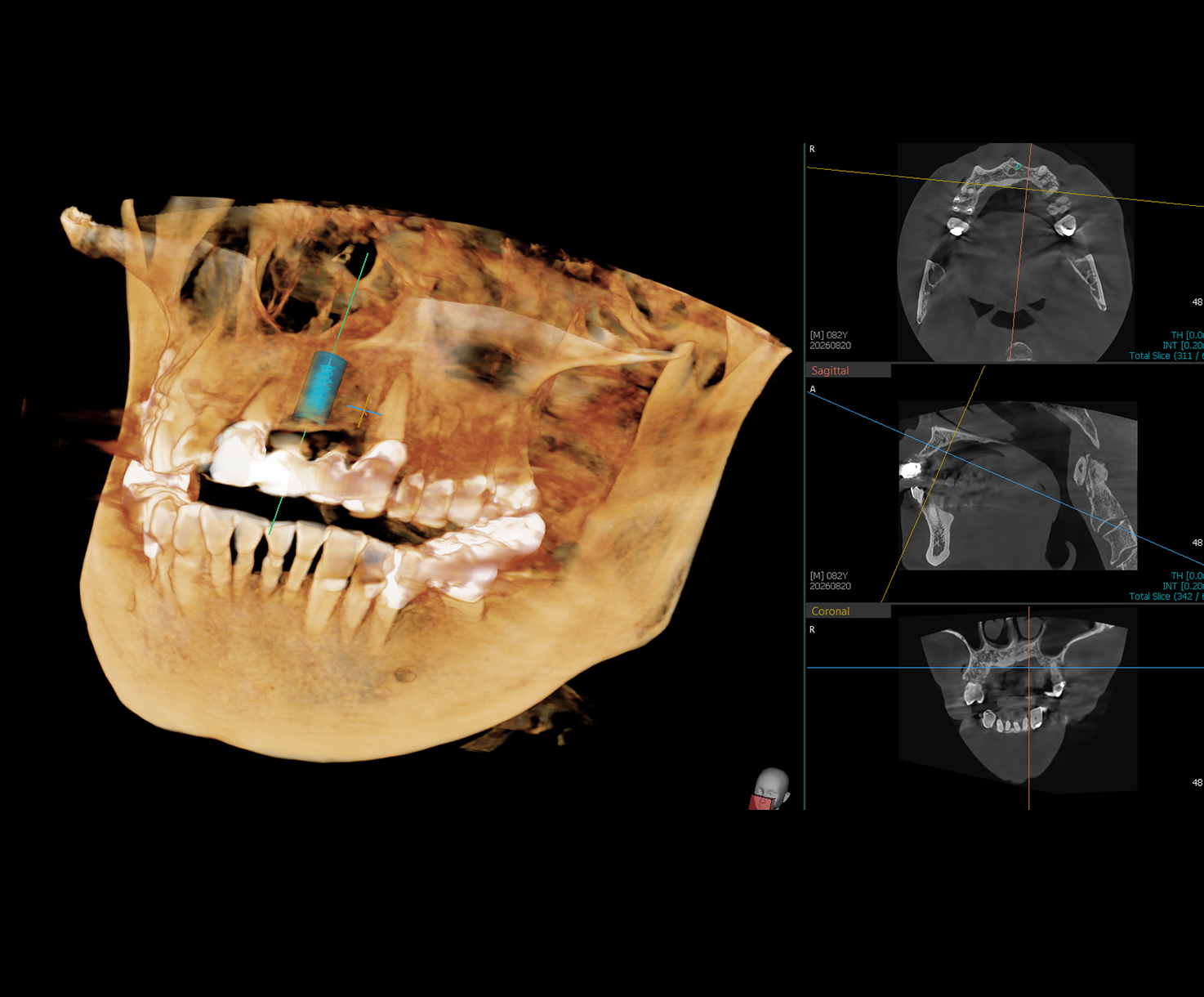
Traditional dental X-rays give us important information in two dimensions. Cone beam imaging (CBCT) allows us to see the teeth, bone, and surrounding structures in three dimensions and from virtually any angle.

For implant planning, this means we can identify important structures and precisely plan the ideal position of an implant before treatment begins. It can also help us determine whether additional bone or gum tissue may be needed to create a stable foundation for the implant.

For root canal treatment, CBCT imaging allows us to see the entire tooth and its internal canal system in much greater detail. This helps us identify canals that might otherwise be difficult to see and anticipate potential complications before they become problems.

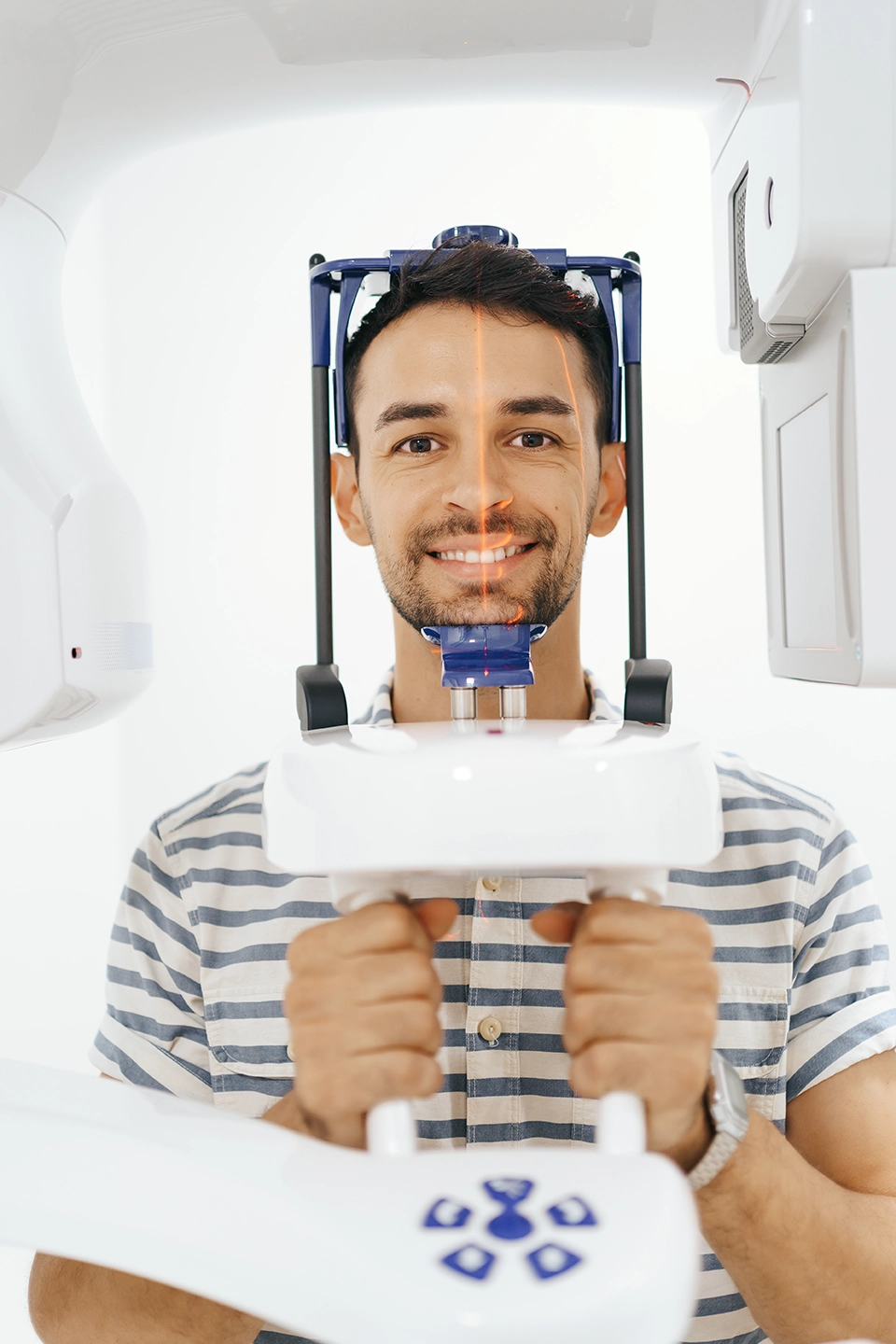
Our Vatech CBCT system provides extremely high-resolution imaging right here in our office. Patients don’t have to travel elsewhere when this type of imaging is needed, and in certain situations, we can even take an image during a procedure to gather additional information and make adjustments in real time.

3D Printing & Digital Design

Digital design and 3D printing allow us to plan and physically preview certain treatments before committing to the final result.

For cosmetic and restorative treatment, we can design and print a proposed new smile that a patient can actually try before any permanent changes are made to their teeth, and allow us to easily make adjustments as needed. This is especially valuable in more comprehensive cases where we’re changing how the teeth functionally come together.

Temporary restorations can also be printed in our office, giving patients an opportunity to experience their proposed smile and bite before moving forward with the final restorations.

Custom Night Guards

One of the most common uses of 3D printing in our office is something much less glamorous, but incredibly useful: night guards.

Bruxism (clenching and grinding of the teeth) affects many of our patients, and we make night guards frequently.

Traditionally, if a night guard was lost or broken, we would need to take another physical impression and start the entire process again. Today, we can design and fabricate night guards digitally and customize them for each patient’s needs. If the first design isn’t providing the comfort or reduction in muscle force we’re looking for, we can modify the design and try a different approach.

And if a night guard is lost or broken, we already have the digital design and can simply print another.


Digital Intraoral Scanning

Physical dental impressions are something many patients dread. Fortunately, we’re increasingly able to replace them with a digital scan.

A small handheld scanner captures a detailed 3D model of the teeth without the trays and impression material traditionally used to create physical models.

That doesn’t mean digital is automatically better in every situation. Different techniques have different strengths, and we use a hybrid approach based on what will produce the best result for a particular treatment. When digital scanning gives us the information and accuracy we need, we’re happy to save patients from the discomfort of a traditional impression.

Soft Tissue Laser

Our soft tissue laser has a surprisingly broad range of uses. During restorative procedures, it can be used to carefully remove excess gum tissue when needed to access and restore a tooth. The laser seals the tissue as it works, helping control bleeding and making the area easier to treat while supporting a comfortable healing process.

It can also be used for certain biopsies when we need to investigate an unusual lump, bump, or area of tissue.

For patients who experience cold sores, laser treatment may also help stop or reduce an outbreak when it’s caught early. If you notice the familiar tingling of a cold sore beginning, contact us to see whether same-day treatment may be appropriate.

When incorporated into certain gum disease treatments alongside deep cleaning, it helps reduce bacteria and support the gum tissue as it heals.